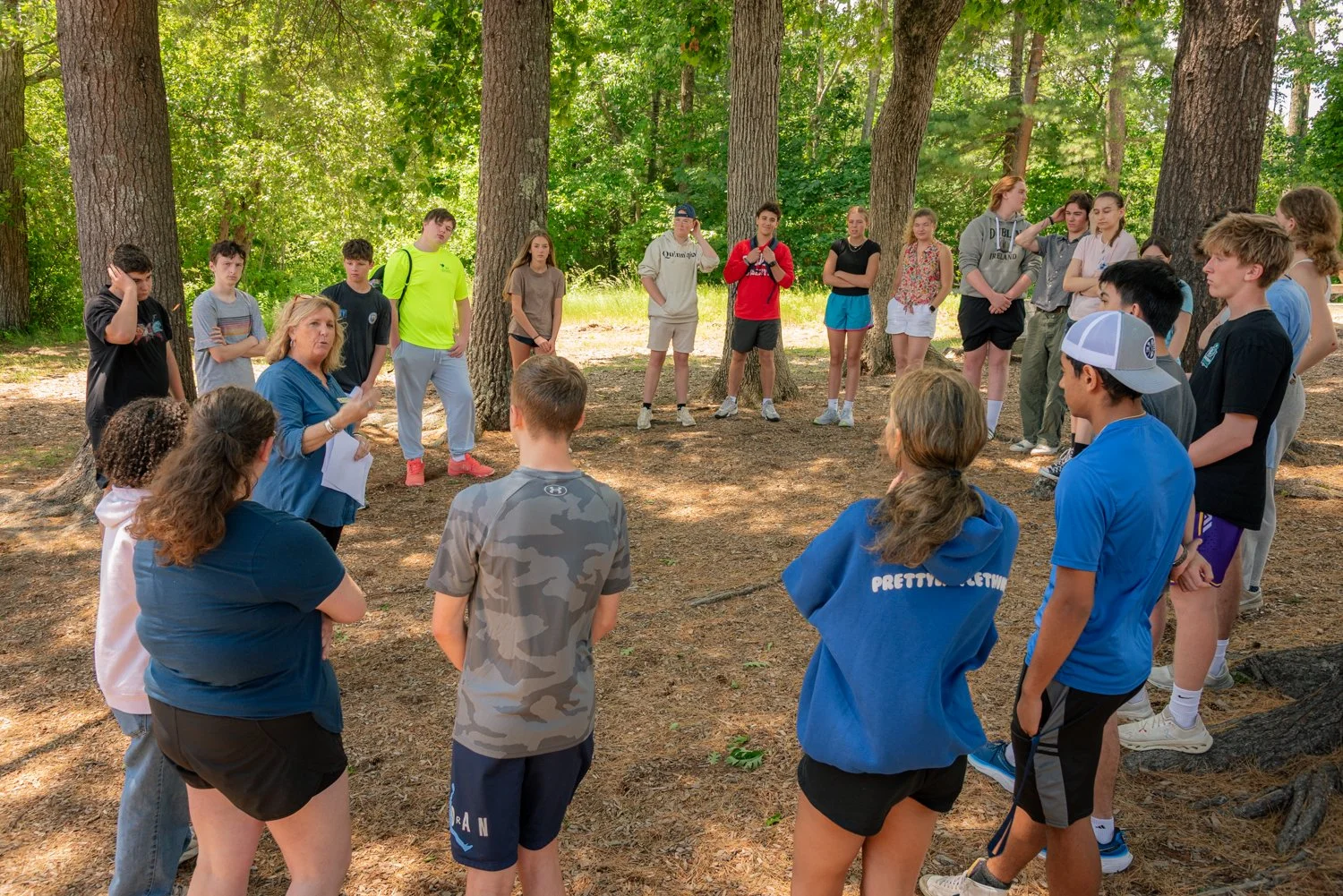
Every team is different—so your training should be too.
Build Your Custom Training in 3 Simple Steps
-
Explore the Topics
Browse our large library of modules covering leadership, communication, behavior management, and team development.
-
Choose What Fits
Select the topics that match your team’s goals and save your proposal. We’ll review your choices and customize the content to fit your organization.
-
Finalize & Schedule
Our team will contact you to confirm details, align on logistics, and deliver a training experience designed for your teams.

Explore Our Training Modules
Browse our training module library below to explore topics and find the best fit for your team and organization’s needs.
-
Recognize and avoid falling into often overlooked behavioral traps.
Improve self-awareness and staff’s ability to anticipate long-term results of their actions.
-
Reduce behavioral outbursts to the word “no” while exploring appropriate alternatives.
Apply strategies for a “less is more” approach.
-
Build a team culture that emphasizes strengths over behaviors.
Redefine struggles as areas of resiliency, creativity, and growth.
-
Find the balance between being “too close” and “too distant.”
Communicate boundaries clearly, consistently, and professionally.
-
Reduce intensity, duration, and severity of interfering behaviors.
Leverage small moments of success into bigger wins.
-
Build cohesion and appreciation for diverse staff skills.
Collaborate proactively to solve challenges.
-
• Challenge assumptions about “defiance.”
• Recognize when behavior reflects inability rather than unwillingness. -
• Differentiate between intent-driven and emotion-driven behaviors.
• Adapt responses to meet true in-the-moment needs. -
Build a team culture that emphasizes strengths over behaviors.
Redefine struggles as areas of resiliency, creativity, and growth.
-
Find the balance between being “too close” and “too distant.”
Communicate boundaries clearly, consistently, and professionally.
-
Reduce intensity, duration, and severity of interfering behaviors.
Leverage small moments of success into bigger wins.
-
Build cohesion and appreciation for diverse staff skills.
Collaborate proactively to solve challenges.
-
Recognize and avoid falling into often overlooked behavioral traps.
Improve self-awareness and staff’s ability to anticipate long-term results of their actions.
-
Reduce behavioral outbursts to the word “no” while exploring appropriate alternatives.
Apply strategies for a “less is more” approach.
-
Build a team culture that emphasizes strengths over behaviors.
Redefine struggles as areas of resiliency, creativity, and growth.
-
Find the balance between being “too close” and “too distant.”
Communicate boundaries clearly, consistently, and professionally.
-
Reduce intensity, duration, and severity of interfering behaviors.
Leverage small moments of success into bigger wins.
-
Build cohesion and appreciation for diverse staff skills.
Collaborate proactively to solve challenges.
-
Build teams that thrive with foundations for growth and retention.
Support staff from onboarding through ongoing achievement.
-
Promote compassion and understanding for children with interfering behaviors.
Align staff as allies and resources for self-improvement.
-
Recognize communication as a life-long learning curve.
Improve clarity and frequency of children’s communication.
-
Evaluate and prioritize behavioral needs using critical action steps.
Maintain focus on long-term behavioral goals.
-
Shape and reinforce desired behaviors while keeping kids engaged.
Apply simple, effective motivation strategies.
-
Shape and reinforce desired behaviors while keeping teens engaged.
Encourage growth through age-appropriate motivation strategies.
-
Build teams that thrive with foundations for growth and retention.
Support staff from onboarding through ongoing achievement.
-
Promote compassion and understanding for children with interfering behaviors.
Align staff as allies and resources for self-improvement.
-
Recognize communication as a life-long learning curve.
Improve clarity and frequency of children’s communication.
-
Evaluate and prioritize behavioral needs using critical action steps.
Maintain focus on long-term behavioral goals.
-
Shape and reinforce desired behaviors while keeping kids engaged.
Apply simple, effective motivation strategies.
-
Shape and reinforce desired behaviors while keeping teens engaged.
Encourage growth through age-appropriate motivation strategies.
-
Build teams that thrive with foundations for growth and retention.
Support staff from onboarding through ongoing achievement.
-
Promote compassion and understanding for children with interfering behaviors.
Align staff as allies and resources for self-improvement.
-
Recognize communication as a life-long learning curve.
Improve clarity and frequency of children’s communication.
-
Evaluate and prioritize behavioral needs using critical action steps.
Maintain focus on long-term behavioral goals.
-
Shape and reinforce desired behaviors while keeping kids engaged.
Apply simple, effective motivation strategies.
-
Shape and reinforce desired behaviors while keeping teens engaged.
Encourage growth through age-appropriate motivation strategies.
-
Identify the four functions of behavior: attention, escape, access, and automatic reinforcement.
Adapt interventions to meet in-the-moment needs.
-
Identify the messages for help that are often hidden within behavioral outbursts.
Respond to behaviors with person-first compassion and empathy.
-
Dispel common motivational myths.
Harness intrinsic motivation to improve team cohesion.
-
Reduce power struggles using communication like a game of chess.
Support de-escalation with minimal confrontation.
-
• Evaluate how physical space influences emotional regulation and behavior.
• Learn simple environmental adjustments that proactively reduce interfering behaviors before they start. -
• Identify early warning signs of escalation.
• Improve response strategies before behaviors intensify.
-
Identify the four functions of behavior: attention, escape, access, and automatic reinforcement.
Adapt interventions to meet in-the-moment needs.
-
Identify the messages for help that are often hidden within behavioral outbursts.
Respond to behaviors with person-first compassion and empathy.
-
Dispel common motivational myths.
Harness intrinsic motivation to improve team cohesion.
-
Reduce power struggles using communication like a game of chess.
Support de-escalation with minimal confrontation.
-
• Evaluate how physical space influences emotional regulation and behavior.
• Learn simple environmental adjustments that proactively reduce interfering behaviors before they start. -
• Identify early warning signs of escalation.
• Improve response strategies before behaviors intensify.
-
Identify the four functions of behavior: attention, escape, access, and automatic reinforcement.
Adapt interventions to meet in-the-moment needs.
-
Identify the messages for help that are often hidden within behavioral outbursts.
Respond to behaviors with person-first compassion and empathy.
-
Dispel common motivational myths.
Harness intrinsic motivation to improve team cohesion.
-
Reduce power struggles using communication like a game of chess.
Support de-escalation with minimal confrontation.
-
• Evaluate how physical space influences emotional regulation and behavior.
• Learn simple environmental adjustments that proactively reduce interfering behaviors before they start. -
• Identify early warning signs of escalation.
• Improve response strategies before behaviors intensify.